
3 Feb
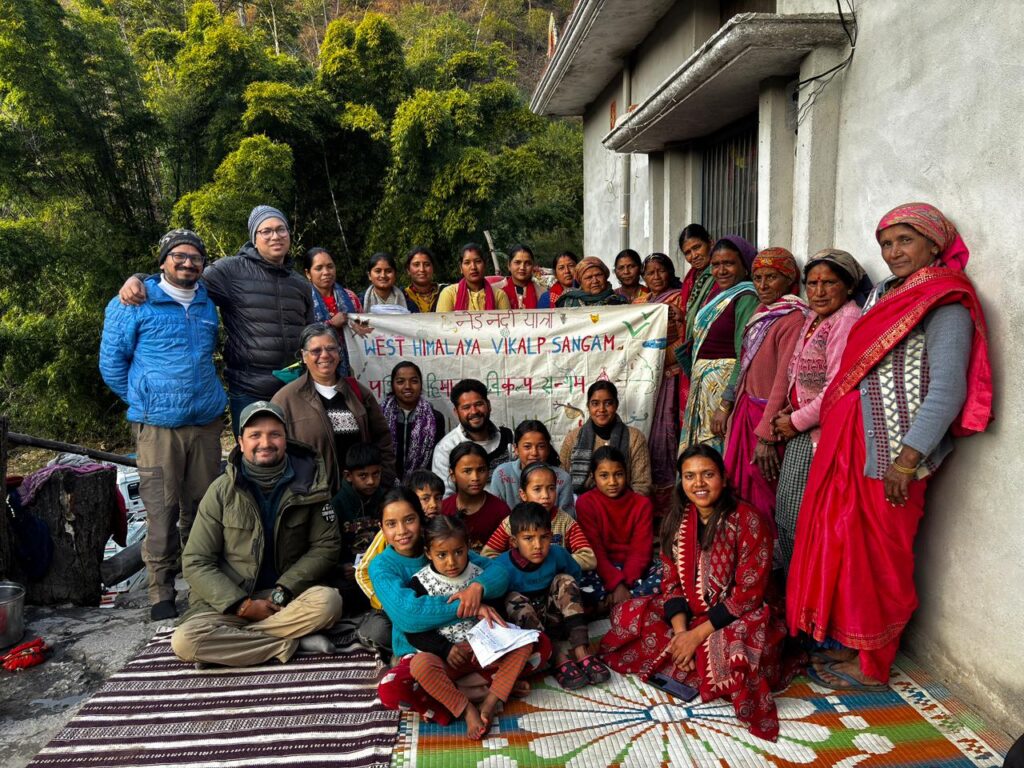
Naid Nadi Padh Yatra in Kumaon: A Ground-Level River Walk The Naid Nadi Padh Yatra was a three-night, four-day river walk in the Salt region of Kumaon, Uttarakhand. The padyatra focused on understanding river health, community challenges, and long-term changes observed by people living along the Naid Nadi (River). Organised and hosted by Shramyog, the yatra brought together grassroots organisations working on conservation, rural livelihoods, and responsible tourism across the Western Himalayas. Collective Participation of Grassroots Organisations in the Naid Nadi Padh Yatra The Naid Nadi Padh Yatra was a collective effort involving multiple grassroots organisations and independent participants working across Kumaon, Garhwal, and the Western Himalayan landscape. Organisations that took part in the Padh yatra included Chakhuli, Jeevandeep Samiti, Titli Trust, and Shramyog, along with independent conservation practitioners and community workers. Each group brought field experience from different landscapes, including river conservation, rural livelihoods, biodiversity documentation, and community engagement. Representatives walking the padyatra included Shiwank Negi (Chakhuli), Nitin Negi (Jeevandeep Samiti), and Anchal Sondhi (Titli Trust). The yatra itself was hosted and coordinated by Shramyog, ensuring strong local participation and village-level engagement throughout the route. The padyatra also drew strength from conversations within the West Himalayan Vikal Sangam, a collective of around 30 grassroots organisations working across the Western Indian Himalayas. This shared platform allowed learnings from the Naid Nadi (River) landscape to connect with similar challenges faced in Western Himalaya regions. Villages Covered During the Naid Nadi Padh Yatra The padyatra began at Gingre Village, from the Shramyog Head Office, and passed through multiple river-dependent villages: Bajra Tila Gaun Biral Gaun Kali Garh Gaun Kukriyal Bakhli Gaun Rampur Gaun Walking through these villages allowed direct interaction with families who depend on the river for water, farming, and daily life. River Health Assessment of Naid Nadi (River) Basic river health parameters were observed during the padyatra to understand the ecological condition of the Naid Nadi (River): TDS: 65 mg/L Water temperature: 8–10°C pH level: 6 Turbidity: around 10 NTU Dissolved Oxygen: approximately 9 mg/L These readings indicate that the river is still relatively healthy. However, local observations show that social and cultural connections with the river are weakening, which often comes before ecological decline. Disappearing Gharats and Changing River Use in Kumaon Villagers shared that traditional gharats (water-powered mills) once existed in large numbers along the Naid Nadi (River). Today, many are non-functional due to reduced water flow. The decline of gharats reflects: Reduced river discharge Changes in land use Loss of traditional livelihoods Human–Wildlife Conflict and Fear in River-Side Villages Fear of wild animals, especially leopards, is a major issue across Kumaon villages. People avoid fields early in the morning or after sunset, livestock losses are common, and farming feels increasingly unsafe. This issue closely mirrors challenges faced by villages near Kalagarh Tiger Reserve and Corbett Tiger Reserve, where conservation and livelihoods exist side by side. Farming Crisis and Lack of Local Market Access Local farmers repeatedly said that agriculture no longer provides stable income. Low crop prices, wildlife damage, and lack of local buyers force people to depend on daily wage labour. Villagers suggested creating local collection and exchange hubs so agricultural produce can be sold at fair prices within the region. Health Infrastructure Gaps Driving Migration Health insecurity is one of the biggest reasons people migrate from villages in Kumaon. Common concerns raised: No medicines in local hospitals Lack of qualified doctors No medical transport during emergencies People often travel to city hospitals, only to be told they need referrals from local hospitals. This referral gap creates delays and fear, especially during emergencies and childbirth. Women’s Health, Safety, and Community Strength Women’s health was discussed openly during the padyatra. Pregnant women are often shifted to cities 10–20 days before delivery due to lack of trust in local hospitals. Despite these challenges, women-led Samuh (self-help groups) remain one of the strongest systems on the ground. Active Samuh identified: Biral Gaun: Aman Samuh, Upkar Samuh Kali Garh Gaun: Usha Samuh Kukriyal Bakhli Gaun: Tarang Samuh Rampur Gaun: Shiv Shakti Samuh Women aged 30 to 70+ actively participate and take pride in these collectives. Why the Nadi Nadi Pad yatra Matters for North Corbett and Kalagarh The issues observed during the Naid Nadi Padh Yatra are not limited to Kumaon. Similar patterns exist around North Jim Corbett National Park, Kalagarh Tiger Reserve, and villages like Rathuwadhab. River health, wildlife conflict, farming decline, healthcare access, and migration are deeply connected. Any work in conservation, responsible tourism, homestays, or hotels in North Corbett must address these realities. Closing: Listening Before Acting The Naid Nadi Padh Yatra was about listening before planning. Walking the river revealed that ecological decline begins when communities are forced to disconnect from land and water. For organisations like Chakhuli and Jeevandeep Samiti, this padyatra strengthened the belief that conservation in the Himalayas must be community-led, locally grounded, and honest.
READ MORE