21 Apr
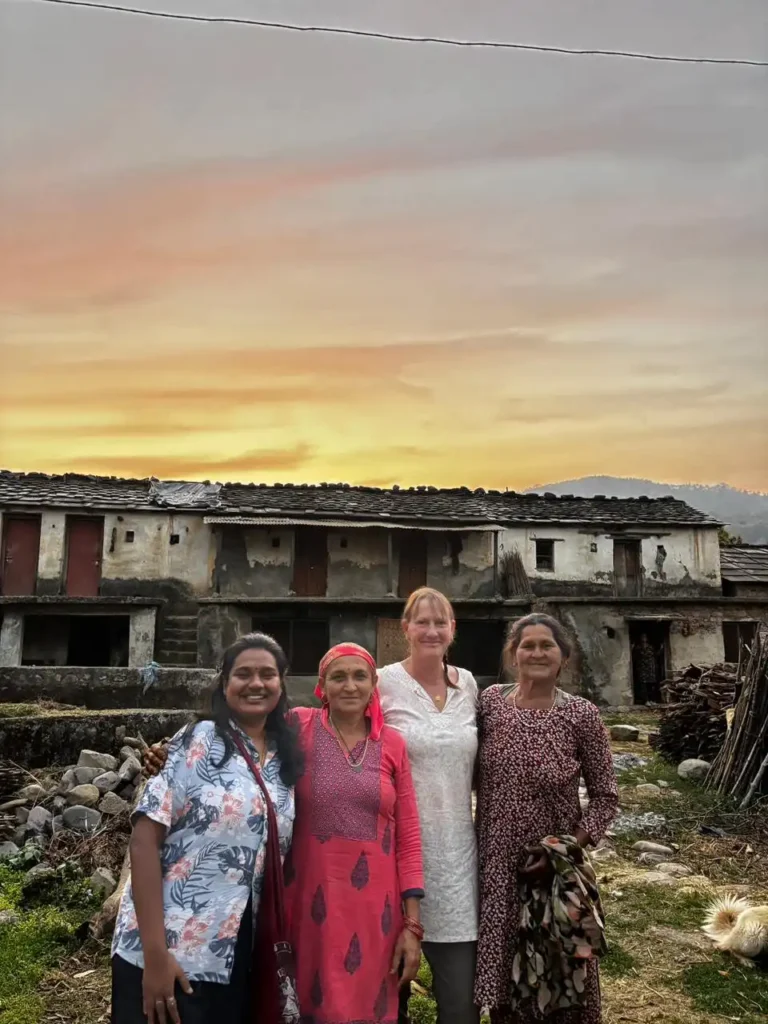
Why Rural Uttarakhand Feels Like the Real India An Experience Near Jim Corbett National Park Places like Delhi or Rishikesh are a part of India, no doubt. They are busy, colourful, and important in their own way. But if you really want to understand India beyond the surface, you have to step away from cities and spend time in rural landscapes. That is where you begin to see the country as it actually lives and breathes. Rathuwadhab – A Village That Still Feels Real Rathuwadhab, located near the forests of Jim Corbett National Park, is one of those places where life has not been shaped by tourism or fast development. This is not a place with cafés, markets, or planned attractions. This is a place where: Mornings begin with bird calls, not traffic People still know each other by name Conversations happen without any hurry What stands out the most here is not just the landscape, but the people. Many locals may not speak fluent English, but they understand something far more important — how to make someone feel welcome. It is common for a stranger to invite you home for tea, for food, or simply to sit and talk. There is no agenda behind it. For a traveller coming from outside India, this kind of openness often becomes the most memorable part of the journey. Rural India vs Tourist India Most international travellers who visit India experience what can be called “tourist India” — cities, popular temples, cafés, and crowded attractions. But rural Uttarakhand offers something very different. It offers: Authentic India travel experiences Real human connections A slower pace of life A deeper understanding of local culture This is especially true in regions around Kalagarh Tiger Reserve, where forests, rivers, and villages exist together without heavy commercialisation. Experiencing This Through a Homestay Staying in a hotel or resort near Jim Corbett National Park will give you comfort. But staying at a homestay near Jim Corbett National Park gives you context. At The Corbett Rajae Homestay, the idea is simple — to help travellers experience the place, not just stay in it. We are a small, experience-based homestay located in Rathuwadhab village, close to the forests and close to real life here. Guests who stay with us often: Walk through the village and interact with locals Join heritage walks to understand local culture Go for nature walks and bird watching in nearby forests Visit hidden spots like KTR Waterfall Spend time sitting, talking, and slowing down This is not something you can package as an activity. It happens naturally when you stay long enough and stay the right way. What Foreign Travellers Often Feel Here Many international guests who stay at The Corbett Rajae Homestay come with a certain curiosity about India. What they often find here is not what they expected. They find: People who may not speak their language but still connect Homes that are simple but full of warmth Food that is cooked fresh, not designed for a menu A pace of life that allows them to pause For many, this becomes their most authentic India experience. Not because it is perfect. But because it is real. Slow Living in the Hills of Uttarakhand Rural Uttarakhand naturally follows what many people now call slow travel in India. Here, you don’t rush to cover places. You walk. You sit. You observe. You notice small things: The sound of birds in the morning The way people greet each other The rhythm of daily life A Different Way to Travel India If your idea of travel is ticking off places, rural villages like Rathuwadhab may not feel exciting at first. But if your idea of travel is to understand a place, to feel it, and to connect with people, then this is where you should be. For travellers looking for: Authentic rural India experiences A homestay near Jim Corbett National Park Cultural immersion in Uttarakhand Nature, forests, and slow living The Corbett Rajae Homestay offers a space where all of this comes together.
READ MORE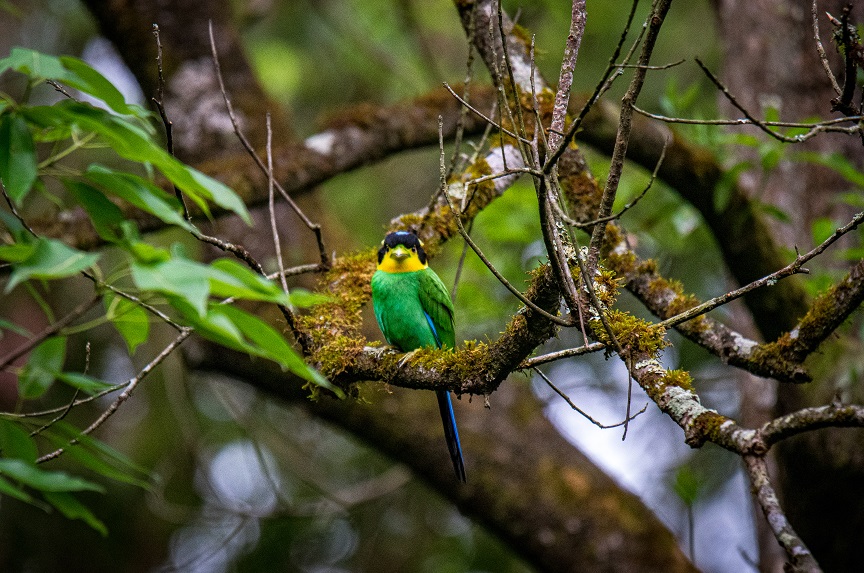
6 Nov
Bike Riders’ Hidden Route in Uttarakhand — A Scenic Loop from Delhi to the North Side of Jim Corbett If you are a rider who believes that the journey is the destination, then this route is one you’ll want to pin on your map. This is one of the most breathtaking offbeat circuits in Uttarakhand-a hidden trail starting from Delhi → Bijnor → Kotdwara → Rathuwadhab → Nainidanda → Dhumakot → Marchula → Ramnagar → Delhi. It winds through thick sal forests, riverside bends, and mountain curves; every turn can greet you with birdsong and mist. Perfect for quiet-road lovers and the lesser-known nooks of the Himalayas. The Hidden Gem — Rathuwadhab, North Side of Jim Corbett Located quietly inside the Kalagarh Tiger Reserve, Rathuwadhab village is a serene stretch on the north side of Jim Corbett National Park and falls under the lesser-explored Sonanadi Zone (https://maps.app.goo.gl/izjt1KppHf8Lgtoa6?g_st=ipc). This is a region of raw beauty, river valleys, and a peaceful rhythm that reminds you of how travel once felt before crowds and commercialization took over. Birds such as the Silver-eared Mesia, Rosy Minivet, and Common Green Magpie frequent this place, making it a haven for photographers and birders alike. The gurgling noise of the Mandal River, accompanied by the rustling of sal trees, has given an otherworldly calm to Rathuwadhab. Stop for a Dip — KTR Waterfall KTR Waterfall, situated inside Kalagarh Tiger Reserve, is a hidden natural wonder and a must-visit spot that falls on the way. It’s a perfect stop to stretch, cool down amidst the dense forest, and feel the power of the wild for bikers. You’ll mostly find locals enjoying a quiet afternoon here or travelers soaking in the peaceful vibe of this untouched waterfall. Where to Stay — The Corbett Rajae Homestay Situated right in Rathuwadhab, The Corbett Rajae Homestay is one of the best homestays near Jim Corbett, offering everything a rider needs after a long day on the road — a comfortable stay, delicious local meals, and a warm community atmosphere. Built with love, this is an offbeat homestay in Uttarakhand that offers slow living along with authentic village experiences. The host, Shiwank, makes sure every guest feels at home while introducing them to the beauty and biodiversity of North Corbett. Activities at The Corbett Rajae Homestay Whether you are traveling solo or in a group, there are many immersive experiences that one can enjoy at the homestay: Hidden Waterfall Visit (including KTR Waterfall) Heritage Walk through the local village trails Nature Walk & Grassland Spot Exploration Sunset Spot Experience overlooking the Mandal River Hiking / Trekking through forest routes Bird Watching — one of the richest birding areas in Uttarakhand Nature Bath in the river Village/Local Tours Buffer Zone Safari in Sonanadi Zone Tarkeshwar Temple Visit — a scenic ride from the homestay Add to that Uttarakhand local fresh cooked food, organic ingredients, and peaceful evenings under the star-filled sky — and it isn’t hard to see why riders call it true “home on the road.” Why This Route Is Special Unlike the usual tourist circuits, this route through the Sonanadi Zone takes you deep into the heart of nature, where one may spot elephants crossing over rivers or hear a distant sambar call at dusk. The road between Nainidanda and Dhumakot is stunning, with wide valley views and forests aglow in golden light during the afternoon. You will pass by sleepy villages, forest check posts, and clear mountain streams, all part of the offbeat Uttarakhand charm that bikers crave. The Full Circuit Delhi → Bijnor → Kotdwara → Rathuwadhab → Nainidanda → Dhumakot → Marchula → Ramnagar → Delhi Total Distance: ~700 km – loop Best Time: September to June, avoiding heavy monsoon (July and August) Ideal Stay: 2 nights at The Corbett Rajae Homestay The Road Less Ridden If you are one of those looking for a bike route that combines wilderness, waterfalls, mountain air, and Slow living stays, then this hidden trail through North Corbett is your answer. Start your engines, head to Rathuwadhab, and let ‘The Corbett Rajae Home-stay’ (https://maps.app.goo.gl/egA2o7Jgt2hbSvDA8?g_st=ipc) be your base to explore the Sonanadi Zone-the virgin heart of Jim Corbett. A checklist of the Birds of Kalagarh Tiger Reserve, Uttarakhand (Click To Download)
READ MORE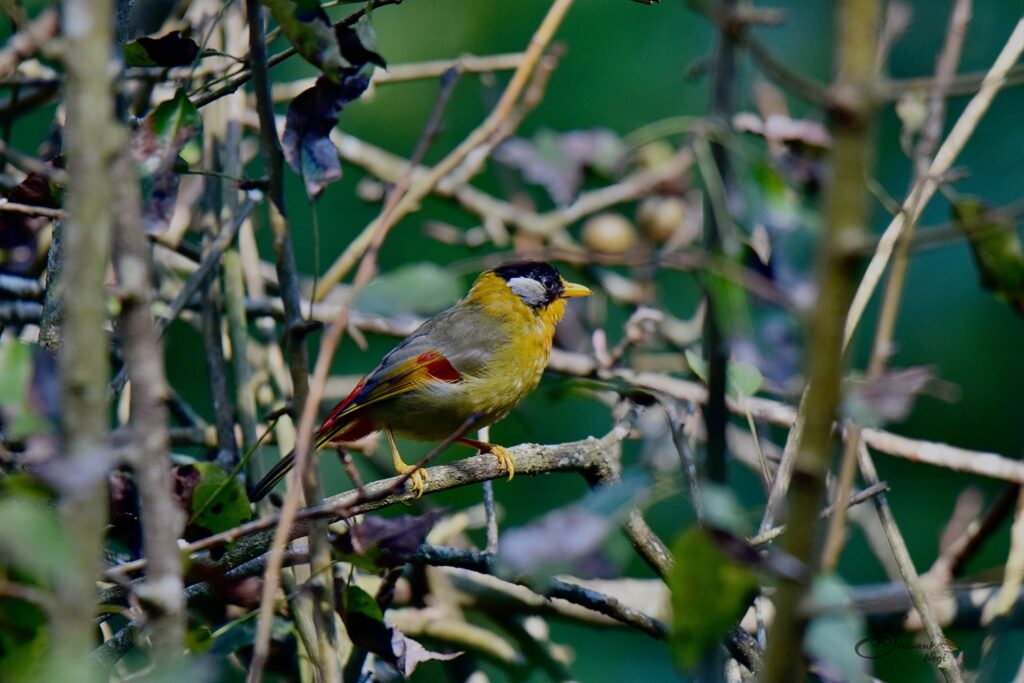
29 Oct
The Silver‑eared Mesia (Leiothrix argentauris) — Westernmost Himalayan Sighting at Rathuwadhab Introduction Silver-eared Mesia is a stunning small bird of the Himalayan foothills and surrounding parts of Southeast Asia. Its yellow breast, olive green back, black crown and silver ear patches make it unmistakably stunning.Here at The Corbett Rajae Homestay in the center of the Kalagarh Tiger Reserve (north edge of Jim Corbett National Park), we are delighted to point out its significance because Rathuadhab is the westernmost stronghold of this species within the Himalayas — making a stay here particularly significant for nature enthusiasts and bird watchers. Distribution & Significance of Rathuadhab Based on global statistics from Cornell Lab of Ornithology’s eBird Status & Trends, Silver-eared Mesia strongholds occur throughout northern and eastern India, Bhutan, Myanmar and southern China, with sporadic altitudinal movements. Although there are records in the Eastern Himalayas, its presence in the western Himalayan region — like Uttarakhand — is relatively rare. Rathuadhab in the Kalagarh Tiger Reserve is where bird enthusiasts have spotted this species between 15 October and March, one of the only places in the western Himalayas where this is possible. This window is the same as what we refer to as the “Silver-eared Mesia season”. By coming to The Corbett Rajae Homestay at this time, you have a good chance of seeing this species in one of its most westerly known ranges — a highlight for birding tourists. Identification & Behaviour Size & appearance: Approximately 15–18 cm long. Both have olive upperparts, yellow underparts, a striking red wing patch, black crown and characteristic silver ear-patches (“silver-eared”) which provide the species with its name. Flocking behaviour: They frequently forage in vocal groups of 5–30, occasionally in mixed-species “waves” in the understorey. Diet: Mainly insects and their larvae, supplemented with fruit and sometimes seeds. Insect remains were reported in 87% of faecal samples and fruit remains in 97% in Hong Kong (where introduced). Breeding: Male and female contribute cooperatively to nesting; the nest is a bamboo/leaf cup that is usually at ground level or up to an altitude of ~2 m high. Clutches of 2–5 eggs (4 in India are common) are deposited; incubation takes ~13-14 days; fledging ~12 days. Habitat & the Rathuadhab Edge In its core habitat, the Silver-eared Mesia inhabits dense montane forests, bamboo-thickets, well-vegetated ravines and occasionally secondary growth. Altitudinal movements have been recorded — for example, some winter-migrant behaviour in Nameri National Park, Assam. At Rathuadhab, the western-north Himalayan zone’s habitat provides a special niche: serene forest edges, mixed broad-leaf/bamboo understorey and less crowds. That’s exactly what makes the location particularly inviting for this species and for off-beat birders. Why Come Between 15 October to March? This is the very important time: The birds are more visible in the post-monsoon cooler months when they descend to lower heights and are active in groups. This phase coincides with the “Silver-eared Mesia season” at Rathuadhab, providing you with increased possibilities of good sighting and photography. As if this was not enough, this is also the best window to overlap birding with the Kalagarh Nature Festival held annually (18–21 December 2025) by The Corbett Rajae Homestay and associates — an excellent blend of nature, culture and avifauna. Stay at The Corbett Rajae Homestay, At our homestay you’ll delight in: Well-furnished painted rooms with the local village atmosphere, led by founder – Shiwank (completely hands-on when it comes to hospitality and nature). Facilities customized for bird watchers: nature walks, visits to secret waterfalls, heritage-walks, sunset-walks and guided bird-watch tours (focusing on Rathuadhab’s specialty species). Full-board: breakfast, lunch and dinner served — making your stay stress-free and nature-focused. Our average revenue of ₹ 5,500-6,500 per night for 2-3 persons ensures we deliver quality-service and personal attention. Local involvement: With our Chakhuli initiative, we involve villagers and children in bird awareness and cultural learning — so your visit benefits conservation and community too. How to Plan Your Visit Best time: Mid-October through February is peak for Silver-eared Mesia sightings in Rathuadhab. Booking: Contact us via phone at 9411561965 (Shivang) or 9412052189 (Sanjay) or book directly through our site.Festival: The Kalagarh Nature Festival, 18–21 December 2025 (3 nights/4 days) priced at ₹13,500 per person (stay, food & activities included) is ideal for bird-watchers.
READ MORE