14 May
Hospitality Is Not Just Service, It Is Someone’s Livelihood A Small Note From a Homestay Host People often talk about guest experience in hospitality, but very rarely does anyone talk about the host’s side of the story. At places like Homestay, and many other homestays, resorts, and lodges near Jim Corbett National Park, hosts spend days planning a guest’s stay. Rooms are blocked, meals are prepared, safaris are arranged, and often other bookings are refused because the property is already committed. But sometimes, after enjoying everything for three nights out of four, guests suddenly decide on the last evening that they do not want to stay the final night. And honestly, changing plans is understandable. That happens. The difficult part begins when the cancellation policy is applied. A guest who was happy the entire trip suddenly becomes rude only because money is involved. The same property they appreciated a few hours ago suddenly becomes “unprofessional.” The same host who arranged everything with care becomes “money-minded.” What many people forget is this: For the guest, this may be a vacation. But for the host, this is work, responsibility, and livelihood. One blocked room can mean losing an entire group booking. One last-minute cancellation can directly affect a small property financially, especially in experience-based homestays where rooms are limited. Hospitality is emotional work. Hosts try to make guests comfortable first and often talk about payments later because they want people to feel at home, not like customers being monitored every second. But respect should work both ways. Responsible travel is not only about protecting forests or not littering. It is also about respecting the people who host you, their time, their effort, and the policies they clearly shared before your stay. At The Corbett Rajae Homestay, located in the quiet landscape of Rathuwadhab, we believe hospitality should feel human, not transactional. But being human should never mean that someone’s work and effort are taken lightly.
READ MORE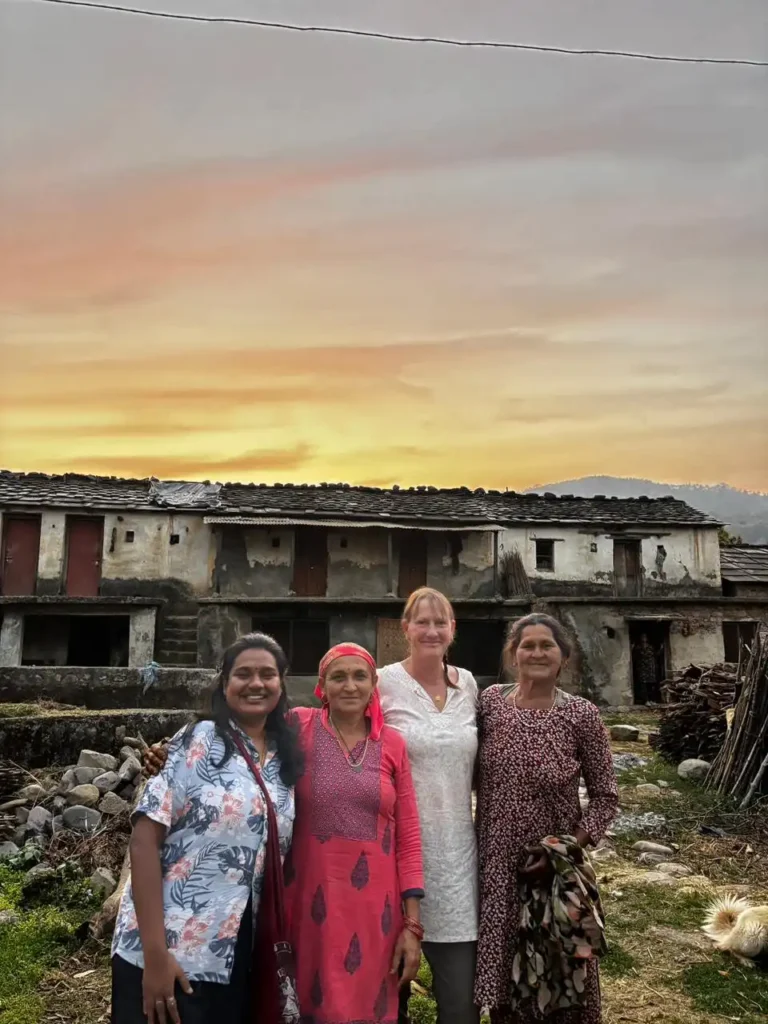
21 Apr
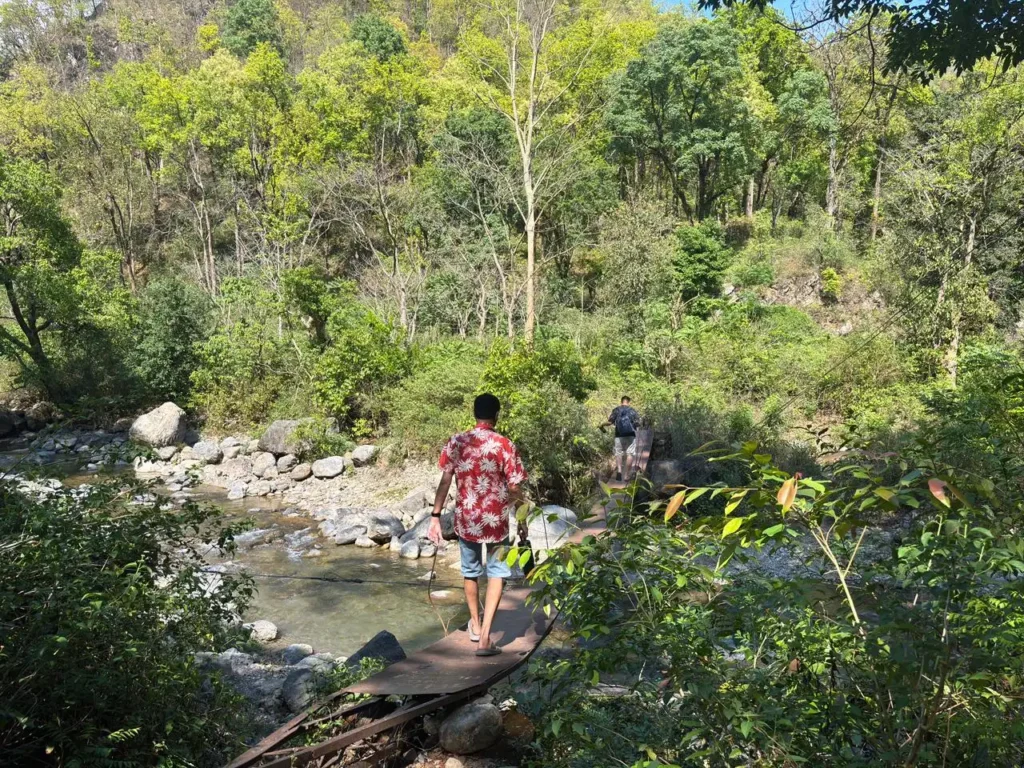
Why Rural Uttarakhand Feels Like the Real India An Experience Near Jim Corbett National Park Places like Delhi or Rishikesh are a part of India, no doubt. They are busy, colourful, and important in their own way. But if you really want to understand India beyond the surface, you have to step away from cities and spend time in rural landscapes. That is where you begin to see the country as it actually lives and breathes. Rathuwadhab – A Village That Still Feels Real Rathuwadhab, located near the forests of Jim Corbett National Park, is one of those places where life has not been shaped by tourism or fast development. This is not a place with cafés, markets, or planned attractions. This is a place where: Mornings begin with bird calls, not traffic People still know each other by name Conversations happen without any hurry What stands out the most here is not just the landscape, but the people. Many locals may not speak fluent English, but they understand something far more important — how to make someone feel welcome. It is common for a stranger to invite you home for tea, for food, or simply to sit and talk. There is no agenda behind it. For a traveller coming from outside India, this kind of openness often becomes the most memorable part of the journey. Rural India vs Tourist India Most international travellers who visit India experience what can be called “tourist India” — cities, popular temples, cafés, and crowded attractions. But rural Uttarakhand offers something very different. It offers: Authentic India travel experiences Real human connections A slower pace of life A deeper understanding of local culture This is especially true in regions around Kalagarh Tiger Reserve, where forests, rivers, and villages exist together without heavy commercialisation. Experiencing This Through a Homestay Staying in a hotel or resort near Jim Corbett National Park will give you comfort. But staying at a homestay near Jim Corbett National Park gives you context. At The Corbett Rajae Homestay, the idea is simple — to help travellers experience the place, not just stay in it. We are a small, experience-based homestay located in Rathuwadhab village, close to the forests and close to real life here. Guests who stay with us often: Walk through the village and interact with locals Join heritage walks to understand local culture Go for nature walks and bird watching in nearby forests Visit hidden spots like KTR Waterfall Spend time sitting, talking, and slowing down This is not something you can package as an activity. It happens naturally when you stay long enough and stay the right way. What Foreign Travellers Often Feel Here Many international guests who stay at The Corbett Rajae Homestay come with a certain curiosity about India. What they often find here is not what they expected. They find: People who may not speak their language but still connect Homes that are simple but full of warmth Food that is cooked fresh, not designed for a menu A pace of life that allows them to pause For many, this becomes their most authentic India experience. Not because it is perfect. But because it is real. Slow Living in the Hills of Uttarakhand Rural Uttarakhand naturally follows what many people now call slow travel in India. Here, you don’t rush to cover places. You walk. You sit. You observe. You notice small things: The sound of birds in the morning The way people greet each other The rhythm of daily life A Different Way to Travel India If your idea of travel is ticking off places, rural villages like Rathuwadhab may not feel exciting at first. But if your idea of travel is to understand a place, to feel it, and to connect with people, then this is where you should be. For travellers looking for: Authentic rural India experiences A homestay near Jim Corbett National Park Cultural immersion in Uttarakhand Nature, forests, and slow living The Corbett Rajae Homestay offers a space where all of this comes together.
READ MORE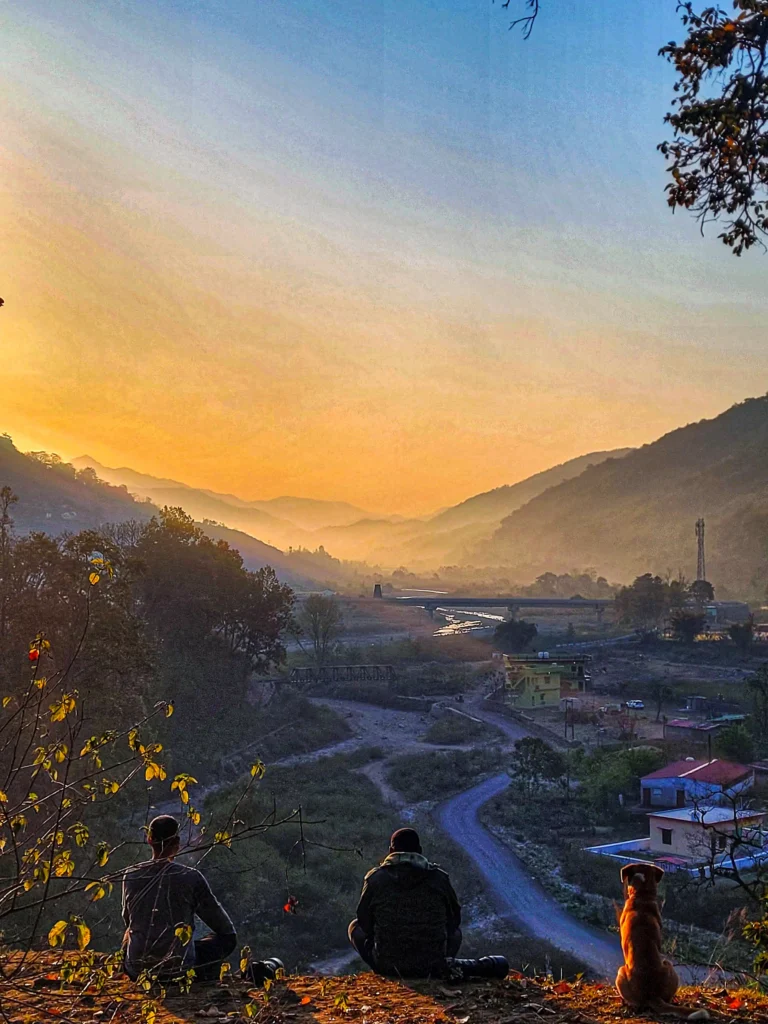
16 Apr
Places to Visit Near Lansdowne Hidden Forests, Villages & Stays Near Jim Corbett Lansdowne is known for its quiet charm, pine forests, and colonial history. But what most travellers don’t realise is that some of the best places to visit near Lansdowne are actually a little further down, closer to the forests of Jim Corbett National Park and the Kalagarh Tiger Reserve. If you are someone who wants to explore beyond the usual tourist spots, there are hidden villages, forest zones, and nature experiences waiting just a short drive away. Rathuwadhab Village – A Quiet Escape Into Forest Life One of the most untouched places near Lansdowne is Rathuwadhab, a small village located on the northern side of Jim Corbett. This village is not about sightseeing in the usual sense. It is about slowing down. Here, mornings begin with bird calls instead of traffic. The Mandal River flows nearby, and forest trails start right from the village itself. It is a perfect place for travellers looking for: • Nature walks • Bird watching • Village experiences • Peaceful stays away from crowded hill stations Rathuwadhab offers a side of Uttarakhand that most travellers miss. The Corbett Rajae Homestay – Experience-Based Stay Near Lansdowne If you are searching for the best homestay near Lansdowne or a homestay near Jim Corbett National Park, then The Corbett Rajae Homestay offers something very different from typical hotels and resorts. This is a seven-room homestay focused on experience-based travel. Instead of just staying in a room, guests here can: • Go for bird watching walks • Explore forest trails and hidden routes • Visit nearby waterfalls • Experience local Uttarakhand food • Join heritage walks in the village • Take part in slow living experiences Located close to the Sonanadi Zone, this homestay is ideal for travellers who want both wildlife and culture in one stay. Sonanadi Zone – The Quiet Side of Jim Corbett The Sonanadi Zone is one of the least crowded and most forest-rich safari zones near Lansdowne. Unlike the more popular zones of Jim Corbett, Sonanadi offers a more raw and peaceful jungle experience. The landscape is dominated by: • Dense Sal forests • Riverine patches • Natural wildlife movement Wildlife sightings here include: Tiger Leopard Asian Elephant Sambar Deer Spotted Deer The zone is also excellent for bird watching near Jim Corbett National Park, making it a great choice for nature lovers. For travellers staying at The Corbett Rajae Homestay, the Sonanadi entry gate is easily accessible, making early morning safaris convenient. KTR Waterfall – A Hidden Gem in the Forest Another lesser-known place to visit near Lansdowne is the KTR Waterfall. Hidden inside the forest landscape of Kalagarh Tiger Reserve, this waterfall is not a typical tourist spot. Reaching it often involves a short hike through forest trails, which makes the experience even more rewarding. What makes KTR Waterfall special: • Raw, untouched surroundings • Cold, clear mountain water • Quiet environment with almost no crowd • Perfect for nature lovers and small group exploration It is often combined with a half-day outing for guests staying nearby. Why Explore Beyond Lansdowne? Lansdowne is beautiful, but it is also limited. If you really want to experience Uttarakhand, you need to step beyond the main town and explore places like: • Rathuwadhab village • Sonanadi Zone • Kalagarh forest areas • Hidden waterfalls and trails These places offer something that crowded hill stations cannot — silence, space, and connection with nature. Best Place to Stay Near Lansdowne for Nature & Wildlife For travellers looking for: • The best homestay near Lansdowne • A homestay near Jim Corbett National Park • A stay close to Sonanadi Zone • Experiences like bird watching, nature walks, and forest hikes The Corbett Rajae Homestay offers a stay that is rooted in the landscape. This is not a resort-style stay. This is where you wake up to birds, walk into forests, eat home-cooked food, and experience the real rhythm of the place. Final Thought If your plan is just to visit Lansdowne, you will see a hill station. But if you go a little further — toward Rathuwadhab, Sonanadi Zone, and Kalagarh forests — you will experience something much deeper. And that is where the real Uttarakhand begins.
READ MORE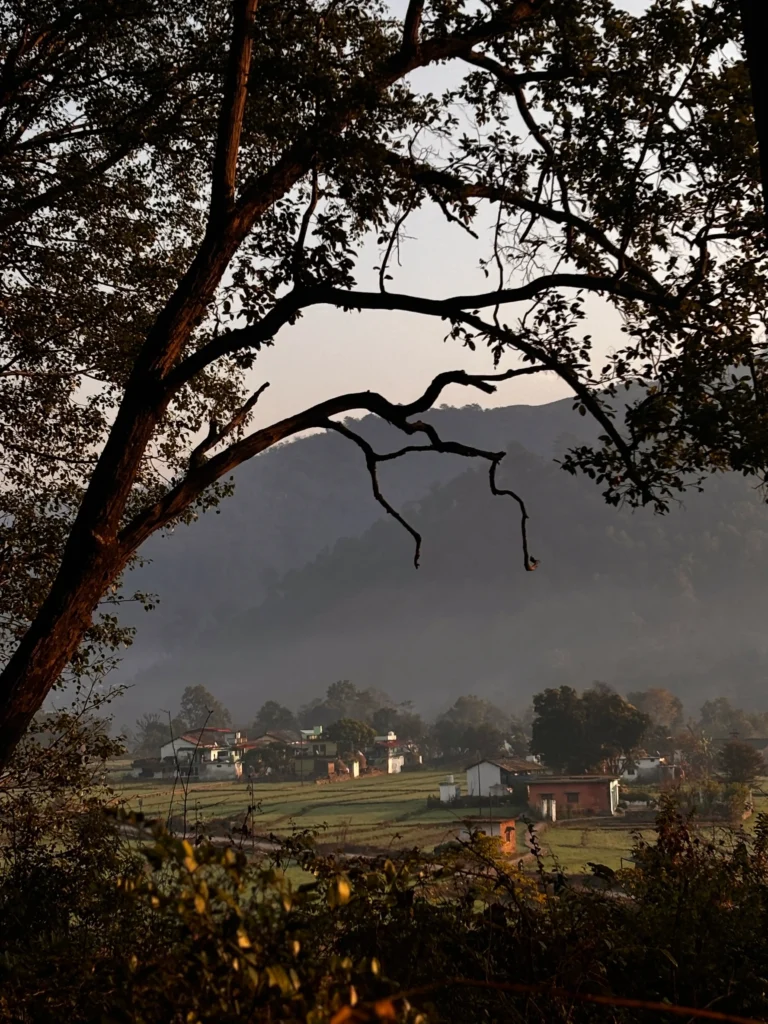
16 Apr
Not Just a Stay — Why Your Time at The Corbett Rajae Homestay Feels Worth It Most people, when they book a stay in Jim Corbett National Park, think in simple terms — room, food, service. Fair enough. You’re paying money, you expect comfort. But when I started The Corbett Rajae Homestay in 2022, in Rathuwadhab village on the north side of Jim Corbett, I wasn’t thinking about just selling rooms. That’s honestly the easiest part. The real question was: When a guest leaves, do they feel it was worth it? Not just financially. But emotionally. Mentally. As an experience. The Idea Is Simple — You Should Feel Something Anyone can build a room and call it the best homestay in Jim Corbett. But what makes a stay real is what you take back. Here, inside the Kalagarh Tiger Reserve, close to the Sonanadi Zone, life moves differently. No rush. No noise. No fake itinerary. You wake up to birds, not alarms. You walk, not scroll. You sit, not hurry. That’s where the experience begins. Not a “Spot” — The KTR Waterfall Experience Take something like KTR Waterfall. It’s not just a place we show you and tick off a list. It’s a walk, a pause, a conversation, sometimes even silence. You don’t just visit it — you spend time there. That’s the difference. Same with everything here — nature walks, bird watching, heritage walks, village tours — none of it is rushed. Because the moment you rush, you lose the whole point of being in North Jim Corbett. Food, But Also Feeling Yes, we serve Uttarakhand local food — Bhatt ki Chutkani, Phanu, Chesu. Fresh, simple, cooked at the homestay. But again, it’s not about just eating. It’s about sitting together, sharing stories, understanding where the food comes from. That’s what makes it feel different from a hotel in Jim Corbett. Why This Side of Corbett Matters Most people only see one side of Corbett — crowded gates, safari lines, packed resorts. But the north side of Jim Corbett, especially around Rathuwadhab, is still raw. Fewer people. More forest. Real village life. If you’re searching for a homestay near Sonanadi Zone, or a place to stay in North Corbett, this is where you actually understand what Corbett feels like — not just what it looks like. Experience Over Itinerary A lot of guests come here thinking they’ll do activities. But honestly, the best moments are unplanned. Sitting quietly and listening to birds Walking without a destination Watching the light change in the forest Talking to locals Doing nothing, and realising that’s enough That’s what I mean when I say this is an experience-based homestay in Jim Corbett. So What Are You Really Paying For? You’re not just paying for a room at The Corbett Rajae Homestay. You’re paying for: Time that slows down A real connection with nature Honest conversations Space away from the noise And a version of travel that feels personal again If that doesn’t happen, then honestly it’s not worth it. And I don’t want that.
READ MORE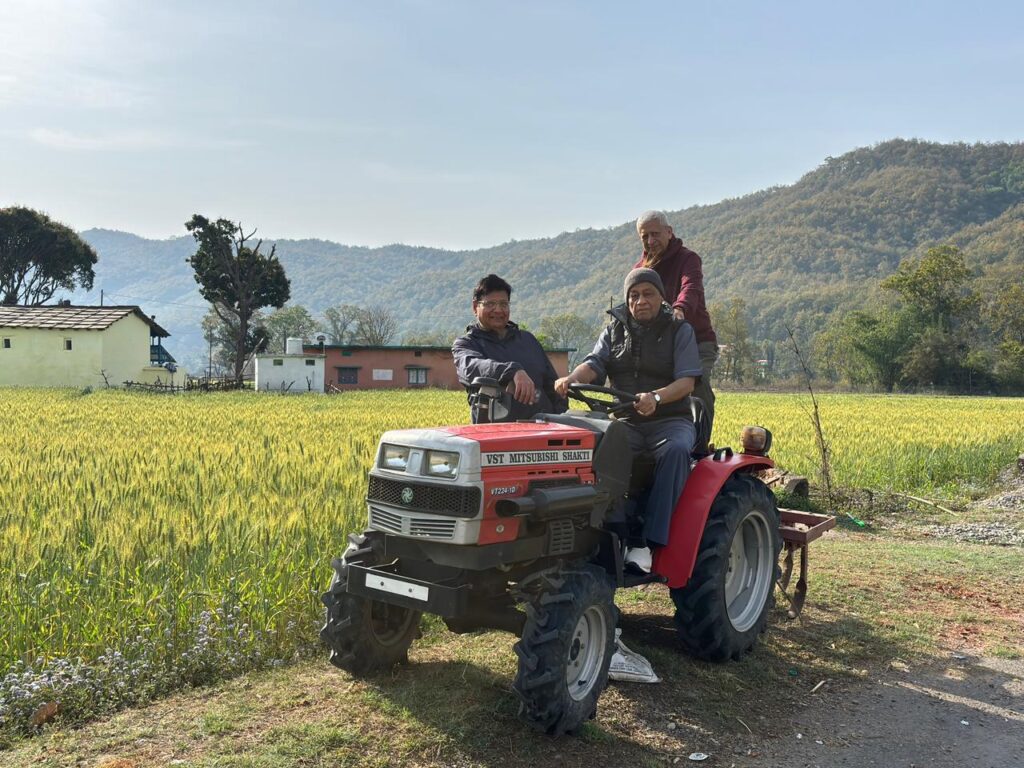
19 Mar
Five Days With Three Gentlemen Who Taught Me What Friendship Looks Like A Story From The Homestay At The Corbett Rajae Homestay, every guest brings a different story. Some stays are short and quiet, some are busy with safaris and bird watching. But once in a while, a few days happen that stay with you for a long time. Recently, three senior guests stayed with us for four nights and five days. All of them were over 70 years of age, and what made their stay special was not just their age, but the bond they shared with each other. They have been friends for 56 years. When they told me this, I had to pause for a moment. I am 25 years old, and their friendship has existed for more than twice my lifetime. Spending time with them felt special in a very personal way. Since my grandfather passed away recently, I rarely get the chance to sit and spend long conversations with people from that generation. But during those five days, while hosting them and doing the daily work around the homestay, I felt a strange warmth that reminded me of those old family conversations. Mornings Full of Energy Every morning during their stay at The Corbett Rajae Homestay, we would go for a morning walk of around four kilometres. They had come from Delhi, yet their energy was remarkable. No hesitation, no complaints. Just steady walking, quiet conversations, and occasional laughter while watching the forest slowly wake up around us near Jim Corbett National Park. Watching their discipline and enthusiasm made me realise how much mindset matters more than age. Exploring Forests and Villages During their stay, we explored the surrounding landscape together. They experienced a wildlife safari in the Sonanadi Zone, one of the quieter and more forested parts of the Corbett landscape. We also went for a heritage walk through Rathuwadhab village, where conversations slowly moved from wildlife to life stories. Conversations were often spent sitting together while they shared travel memories from their younger days. They spoke about road trips they took decades ago, sometimes even borrowing a friend’s car without permission just for the excitement of travelling together. They remembered movies they had watched together in their youth, including classics like Yaadon Ki Baaraat. Listening to those stories felt like hearing small pieces of another time. The Waterfall Adventure One day we planned a short outing to KTR waterfall. The water there is quite cold, and many younger travellers hesitate before stepping inside. But these three respected gentlemen had a different spirit. Without hesitation, they were ready to step into the cold water, laughing and encouraging each other. Their enthusiasm was contagious. In that moment it became very clear that while their bodies had aged, their spirit and curiosity were still incredibly young. Honestly, many younger travellers hesitate more than they did. A Conversation That Stayed With Me Among many conversations we had, one thought they shared stayed with me deeply. During our walk, one of them said something very honestly about growing older. He mentioned that at the moment they feel they are still about 20–25% relevant to the new generation, they can still understand some things, still relate to certain ideas and conversations. But he also said that with time they feel that connection might slowly reduce. Not because they don’t want to understand, but simply because the world keeps changing faster with every generation. It was a very simple statement, but it stayed with me. Listening to someone say that with such calm acceptance made me realise how gracefully some people look at life and change. A Funny Moment I Won’t Forget Of course, not all conversations were serious. During one of our evening walks, they started teasing me about my life. Seeing how happily I was managing the homestay and living my routine, one of them jokingly said something along the lines of: “It doesn’t feel right that you are this happy and still unmarried.” Everyone burst into laughter. They playfully told me that I should get married soon so they could come and enjoy the celebration. One of them even told me and my father that whenever the wedding happens, they should definitely be invited. It was said with the warmth that elders often carry, playful, affectionate, and full of good humour. Moments like that made their stay feel less like hosting guests and more like spending time with respected seniors who genuinely cared. What Their Friendship Taught Me Watching these three gentlemen together was quietly inspiring. They tease each other constantly. They laugh easily. They respect each other deeply. Their friendship has survived decades of life, careers, families, responsibilities, and losses. Yet the bond remains strong. In a world where people often celebrate friendships that last a few years, witnessing a 56-year friendship felt truly meaningful. Why Homestay Experiences Feel Different Experiences like this are the reason homestays near Jim Corbett National Park feel very different from hotels or resorts. At a resort, guests usually remain within their rooms and facilities. But at a homestay in the Jim Corbett landscape, conversations happen naturally. Guests walk together, share meals, exchange stories, and sometimes leave behind memories that stay with the host as well. At The Corbett Rajae Homestay, we often say we are not only offering a place to stay near Jim Corbett National Park. We are sharing a part of our home, our village, and the forests around us. Slow Living Near Jim Corbett When people talk about slow living near Jim Corbett, they often imagine peaceful landscapes and quiet mornings. But sometimes slow living looks like this: Three gentlemen in their seventies walking four kilometres every morning. Laughing about memories from fifty years ago. Stepping into a cold waterfall without hesitation. And gently teasing a young host about getting married someday. Those five days reminded me that age does not limit curiosity, laughter, or friendship. And if life allows,
READ MORE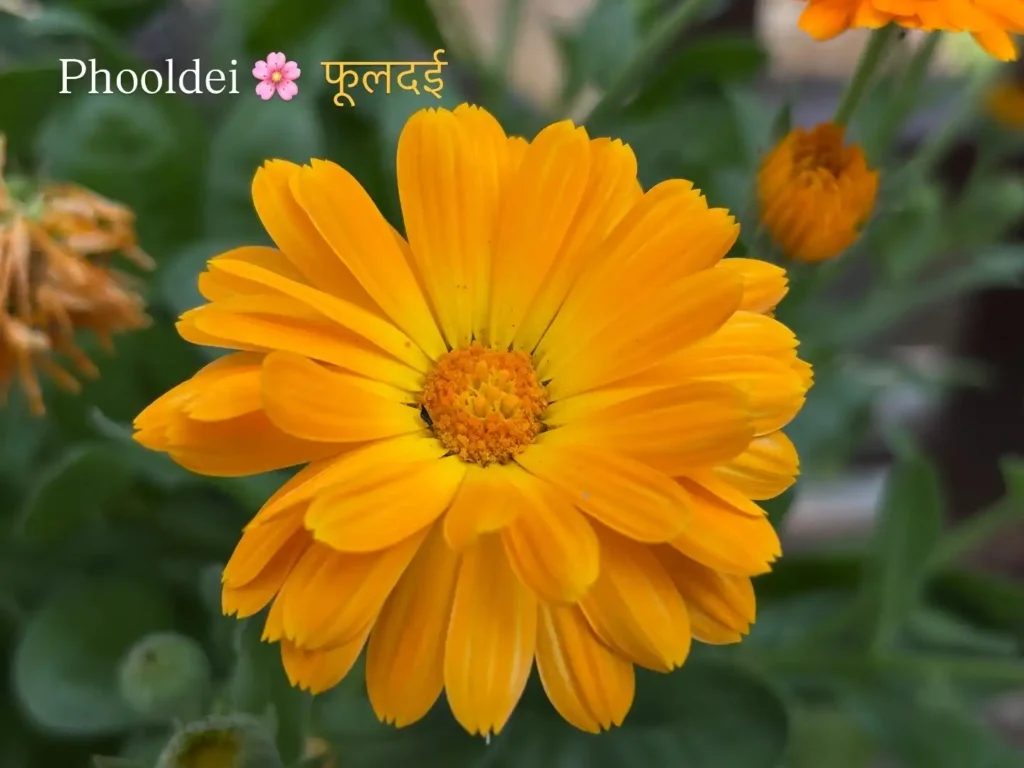
16 Mar
Phooldei Festival in Uttarakhand Celebrating Spring and Village Life Near Jim Corbett Spring arrives quietly in the hills of Uttarakhand, and one of the most beautiful ways it is welcomed is through the traditional festival of Phooldei Festival. Celebrated across villages in the Kumaon and Garhwal regions, Phooldei marks the arrival of a new season, fresh harvest, and the renewal of life in the mountains. For travellers staying near Jim Corbett National Park, experiencing Phooldei offers a rare glimpse into the cultural traditions of rural Uttarakhand. At The Corbett Rajae Homestay, guests visiting during this time often get to see how this simple but meaningful festival continues to be celebrated in nearby villages. What is the Phooldei Festival? Phooldei is a traditional spring festival where children gather early in the morning to collect fresh seasonal flowers from the forests and fields. These flowers are then placed at the doorsteps of homes in the village as a symbol of good luck, prosperity, and happiness for the coming year. The name itself comes from two local words: Phool meaning flowers Dei meaning offering at the doorstep Children sing traditional songs while placing flowers at each household entrance, and in return they are given rice, jaggery, sweets, or small gifts. It is a celebration rooted in gratitude for nature and the changing seasons. The Connection Between Nature and Culture Villages around Kalagarh Tiger Reserve and the northern side of Jim Corbett National Park still celebrate festivals like Phooldei in their original form. Spring in this landscape brings blooming wildflowers, fresh leaves on sal trees, and increased bird activity in the forests. The festival naturally connects people with the forests that surround them. Travellers staying at a homestay near Jim Corbett National Park during this time often notice how deeply local culture is tied to nature. Experiencing Phooldei While Staying at a Homestay One of the biggest advantages of staying at a homestay near Jim Corbett instead of a resort is the chance to witness real village traditions. At The Corbett Rajae Homestay, located in Rathuwadhab village near the Sonanadi Zone, guests often experience the cultural side of the region alongside wildlife exploration. During the Phooldei season, travellers can: Walk through nearby villages and observe local celebrations Learn about traditional Uttarakhand customs Taste simple home-cooked Uttarakhand food Enjoy nature walks and bird watching in the surrounding forests This combination of culture, forest, and slow travel is what makes staying at a homestay in Jim Corbett National Park landscape so special. Phooldei and the Spirit of Slow Living In recent years, many travellers have started looking for more meaningful experiences instead of rushed sightseeing. Festivals like Phooldei remind us that travel is not only about visiting places but also about understanding the traditions and people who live there. At The Corbett Rajae Homestay, this philosophy of slow living is central to the experience. Guests wake up to bird calls, explore forest trails, walk along the Mandal River, and sometimes witness local festivals like Phooldei that quietly connect people with nature. A Cultural Experience Near Jim Corbett For travellers planning a stay near Jim Corbett National Park, choosing a homestay near Sonanadi Zone allows them to experience both wildlife and culture. While many visitors come to Corbett for tiger safari and forest drives, moments like witnessing a village festival such as Phooldei often become the most memorable part of their journey. If you are looking for the best homestay near Jim Corbett National Park that offers nature, culture, bird watching, and authentic Uttarakhand hospitality, The Corbett Rajae Homestay offers a stay that goes beyond accommodation. It offers an experience of the place itself.
READ MORE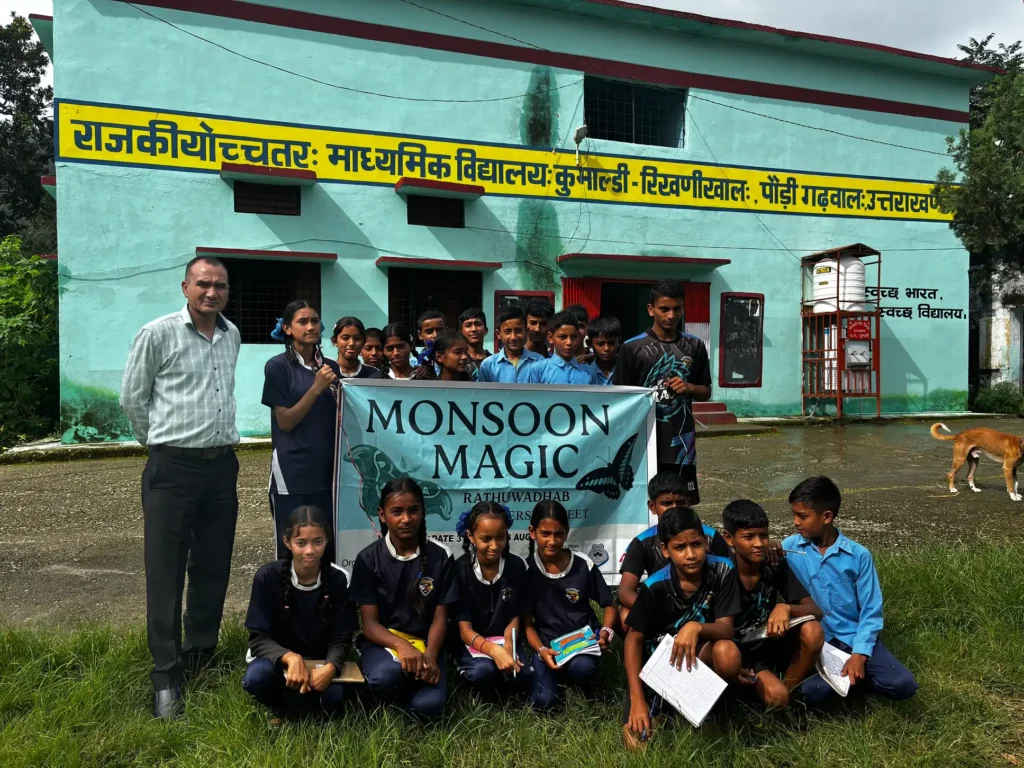
16 Mar
Chakhuli: A Community Initiative for Nature Conservation in the Kalagarh Landscape of Jim Corbett The northern boundary of Jim Corbett National Park hides landscapes that many travelers never see. Away from the busy tourism zones lies a quiet forest region called Kalagarh Tiger Reserve. This landscape is home to dense forests, the Mandal river valley, small Himalayan villages, and hundreds of bird species. One such village is Rathuwadhab. This small village sits on the northern side of Corbett and shares its boundaries with forests that still hold elephants, leopards, deer, and over 370 species of birds recorded in the region. From this landscape, a small community initiative began. That initiative is Chakhuli. What is Chakhuli? Chakhuli is a community-driven nature conservation initiative started by local nature guides from Rathuwadhab village in the Kalagarh landscape. The initiative was founded by young nature enthusiasts including Shiwank Negi along with other local bird guides and community members. The idea behind Chakhuli is simple: If local people understand nature, they will protect it. Instead of waiting for outside organizations to create change, Chakhuli focuses on grassroots conservation — working directly with local communities, children, and villagers living around the forest. The Landscape: Rathuwadhab and the Northern Side of Corbett Most tourists visiting Jim Corbett National Park only know popular zones like Dhikala or Bijrani. But the northern boundary of Corbett, located inside Kalagarh Tiger Reserve, remains one of the most unexplored regions of the landscape. This region includes: Dense Himalayan foothill forests River valleys and seasonal streams Traditional villages practicing small-scale farming Rich bird diversity and wildlife corridors For generations, local communities here have lived alongside wildlife. Human-wildlife coexistence is not a concept here — it is daily life. Why Chakhuli Started Why Chakhuli Started Even though the forest surrounds these villages, many local children grow up without understanding the ecological importance of the wildlife around them. They hear birds every morning, but they don’t know their names. They see forests every day, but they don’t know how important these ecosystems are. Chakhuli began with one clear mission: Nature education for local communities. The goal is to reconnect people with the landscape they already live in. Nature Education in Local Schools One of the core activities of Chakhuli is visiting local village schools around Rathuwadhab and the Kalagarh region. During these visits, volunteers interact with students and introduce them to topics such as: Birds of Corbett Importance of forests Wildlife conservation Clean surroundings and waste awareness Understanding local biodiversity These sessions are simple and interactive. Instead of lectures, students learn through pictures, bird calls, and stories from the forest. When children recognize a drongo, barbet, or minivet, the forest suddenly becomes more meaningful. And that connection is the first step toward conservation. Bird Watching and Biodiversity Awareness The forests around Kalagarh Tiger Reserve are among the richest bird habitats in northern India. More than 370 species of birds have been recorded in the Kalagarh landscape. Through bird walks and awareness programs, Chakhuli introduces both locals and visitors to the incredible birdlife of the region. Bird watching becomes more than a hobby. It becomes a way to understand forests. Community Conservation and Local Livelihoods Conservation cannot survive if local communities do not benefit from protecting nature. Chakhuli strongly believes in community-based ecotourism. Instead of large resorts, the focus is on: Local nature guides Village homestays Nature trails Bird watching tours Cultural experiences One such example is The Corbett Rajae Homestay, a homestay run by local host Shiwank Negi. The homestay promotes slow travel, bird watching, village experiences, and nature-based tourism in the Kalagarh landscape. Visitors staying here explore the region through guided walks, bird watching trails, hidden waterfalls, and interactions with local communities. This model helps ensure that tourism income directly reaches local people. The Kalagarh Nature Festival One of the major community initiatives connected with Chakhuli is the Kalagarh Nature Festival. This event brings together: Birdwatchers Nature guides Researchers Conservationists Travelers interested in nature Participants explore bird trails, attend conservation talks, and learn about biodiversity in the northern Corbett landscape. More importantly, the festival highlights community-led ecotourism, where visitors stay in village homestays and experience the culture of the region. A Small Initiative with a Big Vision Chakhuli is not a large NGO with big offices or corporate funding. It is a small group of local people who believe that conservation must start from the ground. From school awareness sessions to bird walks and community tourism, the initiative focuses on building a deeper connection between people and the forests around them. Because in landscapes like Corbett, the future of wildlife and the future of local communities are closely connected. The Road Ahead The forests around Kalagarh Tiger Reserve still hold immense biodiversity. Elephants walk ancient forest paths. Leopards move silently through the hills. Hundreds of birds fill the forest canopy. But conservation will only succeed if the next generation grows up understanding the value of these ecosystems. Chakhuli exists for that reason. To ensure that the forests of Corbett are not only protected by laws, but also by the people who live closest to them.
READ MORE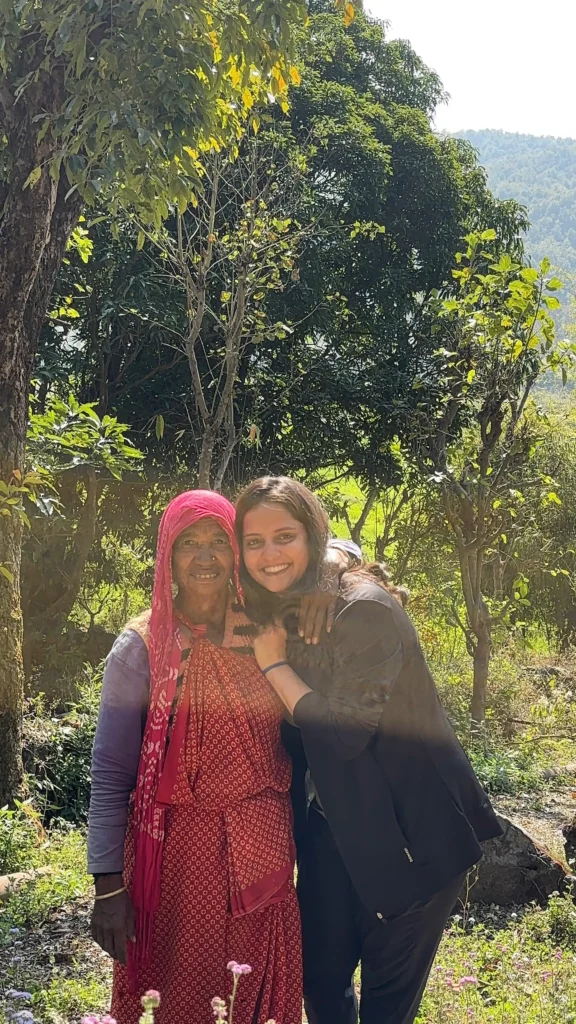
13 Mar
Why Homestays Are About Experiences, Not Luxury | Staying at The Corbett Rajae Homestay Near Jim Corbett.? In recent years, homestays near Jim Corbett National Park have become very popular. Many travellers now search for the best homestay near Jim Corbett, hoping to find something different from a hotel or resort. But somewhere along the way, the idea of a homestay started getting confused. Many people now expect a homestay to function like a luxury resort — large properties, swimming pools, room service, and resort-style facilities. While some homestays do offer comfortable rooms and modern amenities, the true purpose of a homestay has never been luxury. A homestay is about something far more meaningful. A homestay is about experience. The Real Meaning of Staying in a Homestay When you choose a homestay, you are choosing to experience the place itself, not just the room you sleep in. At The Corbett Rajae Homestay, located in Rathuwadhab village on the north side of Jim Corbett, we believe a homestay should connect travellers with the local culture, landscape, and way of life. Instead of just staying inside a room, guests get the opportunity to: • Walk through local villages • Experience the forests of Kalagarh Tiger Reserve • Go bird watching in the surrounding forests • Explore hidden waterfalls and forest trails • Taste fresh Uttarakhand local food cooked at home • Sit around conversations about wildlife, forests, and village life This is the kind of experience that a hotel or resort cannot easily offer. A Homestay Is Not Just a Property — It Is a Home When travellers stay at The Corbett Rajae Homestay, they are not simply booking accommodation near Jim Corbett National Park. They are staying in a home that is deeply connected to the landscape of the Kalagarh Tiger Reserve. Our homestay is located near the Sonanadi Zone and Pakhro Zone, two of the quieter forest areas of Jim Corbett that are known for rich wildlife and birdlife. Guests who stay with us often explore: • Tiger safari in Jim Corbett • Bird watching walks around the Mandal River • Nature walks through village forest trails • Heritage walks through Rathuwadhab village • Sunset walks and slow forest hikes These experiences make The Corbett Rajae Homestay one of the most unique places to stay near Sonanadi Zone of Jim Corbett National Park. Comfort Matters, But Experience Matters More At the same time, comfort is important. At The Corbett Rajae Homestay, all rooms come with attached bathrooms, and we also have dormitory accommodation for groups, bird watchers, and travellers exploring the region together. Our focus is simple: Provide a comfortable stay near Jim Corbett, while keeping the experience rooted in nature, culture, and local life. Guests wake up to the sound of birds, walk along the Mandal River, and spend evenings sharing stories about the forests of Corbett. That is the experience we believe a homestay should offer. Who Should Choose a Homestay? Homestays are ideal for travellers who want to: • Experience local culture and village life • Explore forests slowly and meaningfully • Enjoy bird watching and nature walks • Taste authentic regional food • Connect with hosts who know the landscape • Connect with hosts who know the landscape For travellers looking purely for luxury resorts with facilities and entertainment, resorts might be a better choice. But for those who want to experience the real spirit of Jim Corbett, a homestay is often the most meaningful way to travel. The Corbett Rajae Homestay – A Slow Living Experience Near Jim Corbett At The Corbett Rajae Homestay, we believe in something very simple: slow living in nature. Located in Rathuwadhab village, near the forests of Kalagarh Tiger Reserve and close to the Sonanadi Zone of Jim Corbett National Park, our homestay offers travellers a chance to experience the quieter side of Corbett. Here, the days move with the rhythm of the forest. Bird calls in the morning. Forest walks during the day. Stories and local food in the evening. For travellers searching for the best homestay near Jim Corbett National Park, we invite you to come not just for a stay, but for an experience.
READ MORE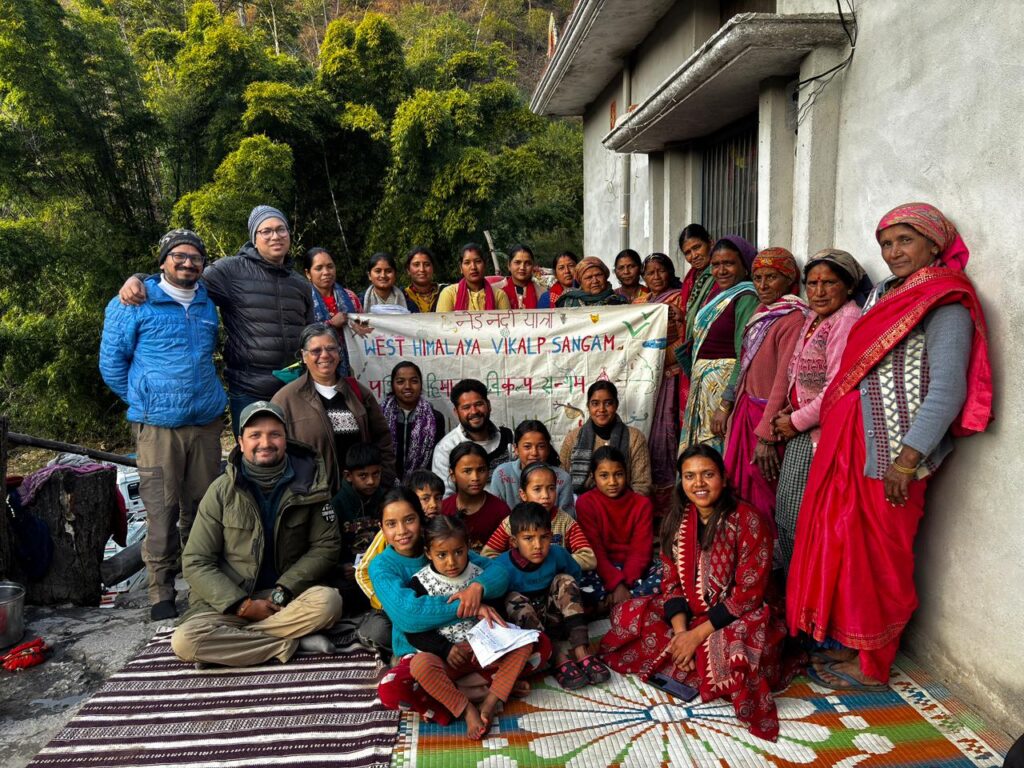
3 Feb
Naid Nadi Padh Yatra in Kumaon: A Ground-Level River Walk The Naid Nadi Padh Yatra was a three-night, four-day river walk in the Salt region of Kumaon, Uttarakhand. The padyatra focused on understanding river health, community challenges, and long-term changes observed by people living along the Naid Nadi (River). Organised and hosted by Shramyog, the yatra brought together grassroots organisations working on conservation, rural livelihoods, and responsible tourism across the Western Himalayas. Collective Participation of Grassroots Organisations in the Naid Nadi Padh Yatra The Naid Nadi Padh Yatra was a collective effort involving multiple grassroots organisations and independent participants working across Kumaon, Garhwal, and the Western Himalayan landscape. Organisations that took part in the Padh yatra included Chakhuli, Jeevandeep Samiti, Titli Trust, and Shramyog, along with independent conservation practitioners and community workers. Each group brought field experience from different landscapes, including river conservation, rural livelihoods, biodiversity documentation, and community engagement. Representatives walking the padyatra included Shiwank Negi (Chakhuli), Nitin Negi (Jeevandeep Samiti), and Anchal Sondhi (Titli Trust). The yatra itself was hosted and coordinated by Shramyog, ensuring strong local participation and village-level engagement throughout the route. The padyatra also drew strength from conversations within the West Himalayan Vikal Sangam, a collective of around 30 grassroots organisations working across the Western Indian Himalayas. This shared platform allowed learnings from the Naid Nadi (River) landscape to connect with similar challenges faced in Western Himalaya regions. Villages Covered During the Naid Nadi Padh Yatra The padyatra began at Gingre Village, from the Shramyog Head Office, and passed through multiple river-dependent villages: Bajra Tila Gaun Biral Gaun Kali Garh Gaun Kukriyal Bakhli Gaun Rampur Gaun Walking through these villages allowed direct interaction with families who depend on the river for water, farming, and daily life. River Health Assessment of Naid Nadi (River) Basic river health parameters were observed during the padyatra to understand the ecological condition of the Naid Nadi (River): TDS: 65 mg/L Water temperature: 8–10°C pH level: 6 Turbidity: around 10 NTU Dissolved Oxygen: approximately 9 mg/L These readings indicate that the river is still relatively healthy. However, local observations show that social and cultural connections with the river are weakening, which often comes before ecological decline. Disappearing Gharats and Changing River Use in Kumaon Villagers shared that traditional gharats (water-powered mills) once existed in large numbers along the Naid Nadi (River). Today, many are non-functional due to reduced water flow. The decline of gharats reflects: Reduced river discharge Changes in land use Loss of traditional livelihoods Human–Wildlife Conflict and Fear in River-Side Villages Fear of wild animals, especially leopards, is a major issue across Kumaon villages. People avoid fields early in the morning or after sunset, livestock losses are common, and farming feels increasingly unsafe. This issue closely mirrors challenges faced by villages near Kalagarh Tiger Reserve and Corbett Tiger Reserve, where conservation and livelihoods exist side by side. Farming Crisis and Lack of Local Market Access Local farmers repeatedly said that agriculture no longer provides stable income. Low crop prices, wildlife damage, and lack of local buyers force people to depend on daily wage labour. Villagers suggested creating local collection and exchange hubs so agricultural produce can be sold at fair prices within the region. Health Infrastructure Gaps Driving Migration Health insecurity is one of the biggest reasons people migrate from villages in Kumaon. Common concerns raised: No medicines in local hospitals Lack of qualified doctors No medical transport during emergencies People often travel to city hospitals, only to be told they need referrals from local hospitals. This referral gap creates delays and fear, especially during emergencies and childbirth. Women’s Health, Safety, and Community Strength Women’s health was discussed openly during the padyatra. Pregnant women are often shifted to cities 10–20 days before delivery due to lack of trust in local hospitals. Despite these challenges, women-led Samuh (self-help groups) remain one of the strongest systems on the ground. Active Samuh identified: Biral Gaun: Aman Samuh, Upkar Samuh Kali Garh Gaun: Usha Samuh Kukriyal Bakhli Gaun: Tarang Samuh Rampur Gaun: Shiv Shakti Samuh Women aged 30 to 70+ actively participate and take pride in these collectives. Why the Nadi Nadi Pad yatra Matters for North Corbett and Kalagarh The issues observed during the Naid Nadi Padh Yatra are not limited to Kumaon. Similar patterns exist around North Jim Corbett National Park, Kalagarh Tiger Reserve, and villages like Rathuwadhab. River health, wildlife conflict, farming decline, healthcare access, and migration are deeply connected. Any work in conservation, responsible tourism, homestays, or hotels in North Corbett must address these realities. Closing: Listening Before Acting The Naid Nadi Padh Yatra was about listening before planning. Walking the river revealed that ecological decline begins when communities are forced to disconnect from land and water. For organisations like Chakhuli and Jeevandeep Samiti, this padyatra strengthened the belief that conservation in the Himalayas must be community-led, locally grounded, and honest.
READ MORE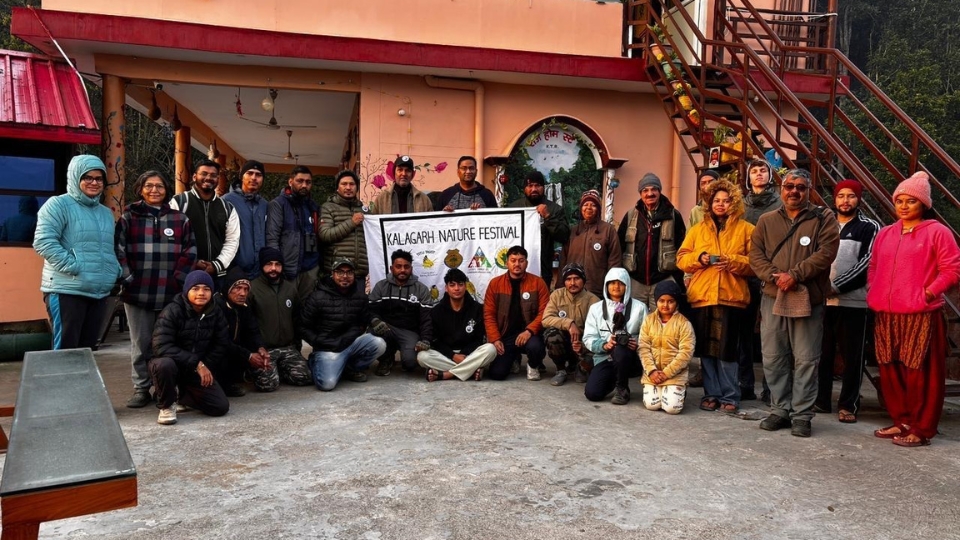
4 Jan
Success story of 2nd Kalagarh Nature Bird Festival The 2nd Kalagarh Nature Festival, held across the Rathuwadhab and Dhotiyal landscape of Kalagarh Tiger Reserve, felt less like a festival and more like a shared journey. As Rathuwadhab Nature Guides, this experience carried forward everything we learned during the Rathuwadhab Nature Guide programme patience, responsibility, and respect for the forest. The Rathuwadhab and Dhotiyal landscape lies on the north side of Jim Corbett National Park, within the larger Kalagarh Tiger Reserve region which is called the North Side of Jim Corbett National. This part of Jim Corbett National Park is still quiet, forest-rich, and deeply connected to village life. Unlike mass tourism zones, this landscape is slowly being shaped through community-led co-tourism, where conservation comes before numbers. Local homestays such as The Corbett Rajae Homestay in Rathuwadhab and Corbett Riverside Homestay in Dhotiyal are playing an important role in promoting this region in a responsible way. Instead of large resorts or heavy traffic, the focus remains on small groups, guided walks, birdwatching, local food, and learning directly from the community. The aim is simple to create livelihoods for local people while ensuring that forests, birds, rivers, and village culture are protected. This slow, respectful approach is what makes the north side of Corbett different and worth protecting. This Bird festival reminded us that nature teaches best when we listen quietly. Day One Beginning from the Roots The Bird festival began on 18 December at Kumaldi Government School, Kumaldi. Starting the festival in a local school felt meaningful. It connected the event directly to the community and the land. The inauguration was attended by forest officials from Kalagarh Tiger Reserve, Sonanadi Range, and Nala Range, along with Banoj Negi from Jeevan Deep Samiti. Their presence strengthened the bond between forest departments, local organisations, and community guides. During the inauguration, two important biodiversity publications were released with the support of Titli Trust Butterflies of Rathuwadhab Moths of Rathuwadhab. After the Birds of Kalagarh work from the first festival, this felt like learning to look closer at the forest and appreciate life beyond what flies high and loud. In the evening, everyone gathered at The Corbett Rajae Homestay, a place that has quietly supported community-led nature experiences in North Corbett. After dinner, we watched Whispers of Wings Birds of Rathuwadhab, a documentary by Neeraj Bisht and Dhananjay, created with support from Green Hub. The film was followed by an ethics discussion. We spoke honestly about birdwatching responsibility and the Uttarakhand Forest Department guidelines on no call playback. Badges were shared not as rewards, but as reminders that birding is about care, not disturbance. Day Two Walking and Talking Together The second day began early with two guided trails, one in the morning and one in the evening. Participants were divided into two groups every day, each led by trained local nature guides. Different trails were chosen for each group so that pressure on any one area remained low. What stood out on day two was the mix of people. Alongside experienced birders were new birders and children, curious and eager to learn. Watching young participants ask questions, wait patiently, and slowly learn to identify birds was one of the quiet joys of the festival. The evening discussions focused on real challenges and honest opportunities. Ananda, Shiwank, and Sanjay Sondhi spoke about community-based tourism and eco-tourism, sharing both the hope and the hard work behind it. Another session by Arita (Ari and Wild – Youtube Channel) focused on how social media can be used for effective communication by rural ventures. The discussion stayed practical and grounded, showing how storytelling can help local communities speak for themselves without misrepresenting nature. Day Three Dhotiyal and Living the Landscape Day three unfolded in the Dhotiyal landscape, again with two guided trails, morning and evening. Each group walked a different route, led by nature guides who know these forests through seasons and years. Lunch that day became a memory many visitors carried home. Food was served in a traditional Uttarakhand way, on plates made from Malu leaves, just as it is done during village weddings and community gatherings. Simple rice, dal, and local vegetables shared together. It was not a performance. It was daily life. In the evening, Sanjay Sondhi and Taukeer spoke about endangered birds of Uttarakhand and the Grey crowned Prinia conservation project. The discussion connected what we see on trails with what is slowly disappearing if we are not careful. We also watched films by Himanshi Rawat, who documented the entire festival. She is currently working on a documentary on the 2nd Kalagarh Nature Festival, which will be released soon. The stories she captured belong to the forest and the people who walk it. Birds and New Records Over the course of the festival, a total of 141 bird species were recorded. The final checklist reflects not just numbers, but careful observation. Some memorable sightings included Silver eared Mesia, Nepal Fulvetta, Chinese Rubythroat, Wallcreeper, Common Green Magpie, Great Slaty Woodpecker, Variable Wheatear, along with regular sightings of Brown Fish Owl and Asian Barred Owlet. A special moment was the first recorded sighting of Eurasian Jay in the Dhotiyal landscape, a meaningful addition to the local checklist. Variable Wheatear was also observed again, strengthening existing records. Ebird Trip Report of The 2nd Kalagarh Nature Festival 2025 https://ebird.org/tripreport/450169 The 2nd Kalagarh Nature Bird Festival was a community-led festival hosted by Chakhuli and Jeevan Deep Sameti, with support from Titli Trust, Uttarakhand Biodiversity Board, and the Uttarakhand Forest Department, and was collectively led by Chakhuli members and Rathuwadhab Nature Guides including Shiwank Negi, Abhishek Rawat, Saurabh Nautiyal, Ravinder Rawat, Aman, and Ajay Adhikari, held across the Rathuwadhab and Dhotiyal landscape from 18 to 21 December 2025 (3 nights, 4 days), and concluded as a meaningful success with a bird checklist of 141 species. Two local homestays played a key role in making both the first Kalagarh Nature Festival (2024) and the second Kalagarh Nature Festival (2025) successful. The
READ MORE